
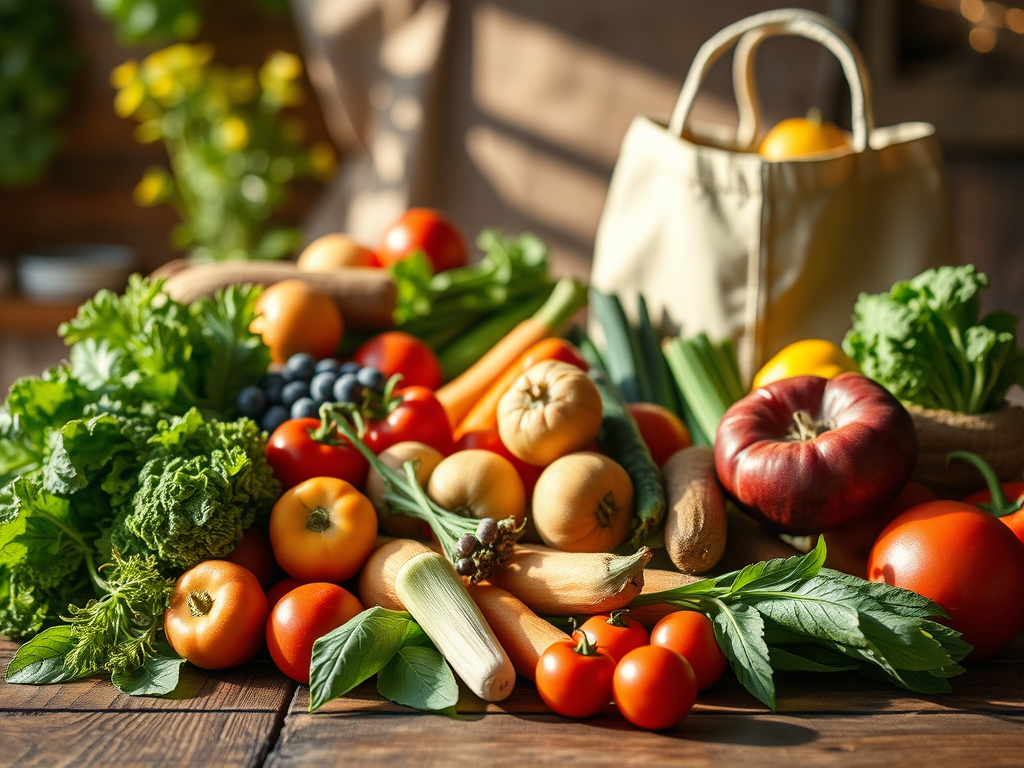
A balanced diet is a crucial foundation for a healthy lifestyle, and a whole foods, plant-based diet offers numerous benefits, making it an optimal choice. This approach is naturally rich in essential nutrients like vitamins, minerals, antioxidants, healthy fats, plant-based proteins, and unprocessed carbohydrates. Suitable for all life stages, this diet can help prevent various diseases, including:
- Type 2 diabetes
- Cardiovascular disease
- Hypertension
- Certain cancers (breast, colorectal, prostate)
- Alzheimer’s disease
- Obesity
In addition to disease prevention, it supports several health aspects such as:
- Improved digestion and gut health
- Lower blood cholesterol
- Enhanced insulin sensitivity
- Better fertility
- Effective weight management
These advantages have led to the popularity of plant-focused diets like vegan, vegetarian, pescatarian, Mediterranean, and DASH diets worldwide.
While transitioning to a plant-based diet may seem overwhelming, especially if you’re used to the Standard Western diet, it can be quite manageable with proper planning. Although a completely plant-based diet may not suit everyone, increasing your intake of plant foods—such as legumes, vegetables, fruits, whole grains, nuts, and seeds—can provide substantial health benefits.
Getting Started with a Plant-Based Diet
Here are a few tips to help ease your transition:
- Start Gradually
Switching to a fully vegan diet overnight can feel like too much. Break the process into smaller, achievable steps. For example, replace two animal-based foods with healthier alternatives. Swap traditional dairy Alfredo sauce for a homemade cashew version or replace meat chili with a hearty bean chili. - Increase What You Already Love
Boost your intake of fruits and vegetables you already enjoy. Add extra servings of veggies to your meals or mix fruit into breakfast bowls and smoothies. - Experiment with New Foods
Try new fruits, vegetables, grains, or legumes each week. Gradually introduce plant-based foods you’re less familiar with, like tempeh or quinoa. - Swap Processed Foods for Healthier Options
Replace processed, meat-based meals like pizza or burgers with plant-based versions. Make homemade pizza topped with veggies, vegan cheese, and a cashew-based sauce. Or try meat-free alternatives like plant-based burgers and nuggets. - Choose Natural, Unprocessed Alternatives
Opt for foods with minimal additives, such as natural peanut butter with no added sugar or infused water instead of soda. - Cook More at Home
Preparing meals at home can help you avoid processed ingredients often found in fast food or restaurant dishes. Cooking also allows you to save money while making healthier choices.
Stocking Up on Healthy Ingredients
Contrary to popular belief, plant-based diets are often more affordable than omnivorous ones. According to research published in the Journal of Hunger & Environmental Nutrition, vegans can save nearly $750 annually, provided they avoid highly processed substitutes. Keep your kitchen stocked with vegetables, fruits, whole grains (like brown rice, quinoa, and buckwheat), and legumes (such as lentils, chickpeas, and black beans).
As you bring healthier options into your home, phase out or donate processed and less nutritious foods.
Meal Planning and Preparation
Planning meals ahead of time can make plant-based eating more convenient. Set aside time twice a week to prep ingredients like grains, legumes, and veggies for the days ahead. Simple bowls filled with vegetables, grains, and a tasty sauce can be just as satisfying as gourmet meals.
Replacing Animal Products with Plant-Based Alternatives
Many healthy, unprocessed plant-based substitutes are available for common animal products, such as:
- Cow’s milk: Replace with oat, almond, or soy milk (coconut milk is best used sparingly for cooking).
- Eggs (for baking): Use flaxseed eggs (mix flaxseeds with water).
- Scrambled eggs: Try tofu scrambles.
- Processed dressings: Make dressings with natural ingredients like tahini or cashew butter.
- Poultry: Opt for legumes or soy products like organic tofu or tempeh.
- Dairy yogurt: Choose yogurt made with organic soy or coconut.
- Cheese: Use nutritional yeast and cashews to create creamy sauces or homemade vegan ricotta.
Don’t Fear Volume
Plant-based foods are nutrient-dense but lower in calories than many animal-based options. To meet your energy needs, you may need to eat larger portions, so don’t worry about restricting yourself—eat until you feel satisfied.
With these gradual changes, you can smoothly transition to a healthier, plant-based lifestyle while enjoying the journey.
 Doya Vibes
Leave a comment