
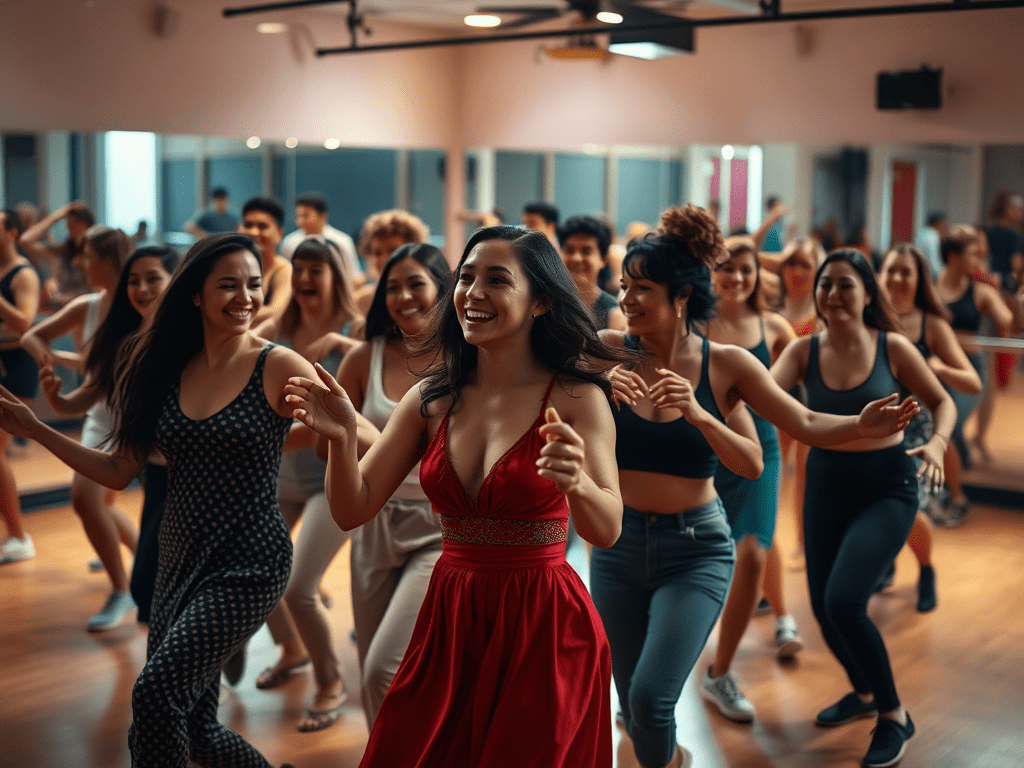
Dance has been a form of expression and movement for thousands of years. Whether for fun, socialization, or exercise, dancing allows people to creatively move their bodies. In the U.S. alone, millions of people participate in dance classes or dance studios, and even more enjoy dancing informally at home or with friends.
But dancing isn’t just about movement and music. It also offers numerous mental health and cognitive benefits that go beyond physical exercise.
Key Benefits of Dancing
Dancing provides a variety of emotional, intellectual, and social advantages. By learning and practicing dance, you can:
Boost your confidence. Self-esteem is the regard in which you hold yourself. As you master new steps and techniques, your confidence grows, showing you that you are capable of learning new things. This personal growth can have a lasting impact on how you see yourself.
Expand your social circle. Social interaction is critical for mental well-being. Engaging with others in a dance class or social dance setting gives you the opportunity to connect, laugh, and share experiences, reducing feelings of loneliness and increasing a sense of community.
Dance’s Impact on Mood and Mental Health
Enhance your mood. Many individuals turn to dancing for the sheer joy it brings. As you learn new moves and rhythms, your mood naturally lifts, making dance a great way to break out of a funk or relieve stress.
Alleviate depression and anxiety. Like other forms of exercise, dancing raises your heart rate and activates muscles, releasing endorphins that help counteract anxiety and depression. It also serves as a mental distraction from negative thoughts, providing a mental break from worries.
Sharpen your memory. As we age, our memory can weaken, but learning new dance styles or moves challenges the brain, enhancing memory retention and potentially lowering the risk of cognitive decline or dementia.
The Type of Dance Matters
Different dance styles offer various mental benefits. For instance:
- Ballroom dancing involves improvisation and quick decision-making, which can improve cognitive flexibility.
- Interpretive or modern dance fosters creativity, encouraging personal expression and original movement.
Risks to Consider
Like any form of physical activity, dance carries some risks:
Injuries. Common dance-related injuries affect the hips, ankles, feet, and knees. Listen to your body and seek medical advice if you experience persistent pain or discomfort while dancing.
Self-doubt. Even experienced dancers can feel self-conscious when trying new techniques or styles. Focus on the enjoyment of movement rather than how you think you appear, and don’t be afraid to make mistakes—they are part of the learning process.
How to Incorporate Dance into Your Life
Dancing can be done almost anywhere, in countless styles. Here are some ways to make dance a part of your routine:
Take a class. If you want to socialize while learning, consider joining a virtual or in-person dance class. Many community centers, gyms, and studios offer classes for all skill levels.
Dance solo. Dancing on your own, even at home, can be just as enjoyable as dancing with others. Turn up your favorite music and let yourself move freely, without concern for how you look.
Learn a choreographed routine. For a challenge, learn a dance routine through online tutorials or videos. You can also watch performances repeatedly to learn new sequences.
Avoid self-criticism. Don’t let fear of making mistakes stop you from enjoying dance. Professional dancers make mistakes too; they use them to grow and refine their skills, and so can you.
Ultimately, dance is a fulfilling way to express yourself, stay active, and boost mental well-being—no matter your skill level. Just remember, dancing is about enjoying the movement, not perfection.
 Doya Vibes
Leave a comment