
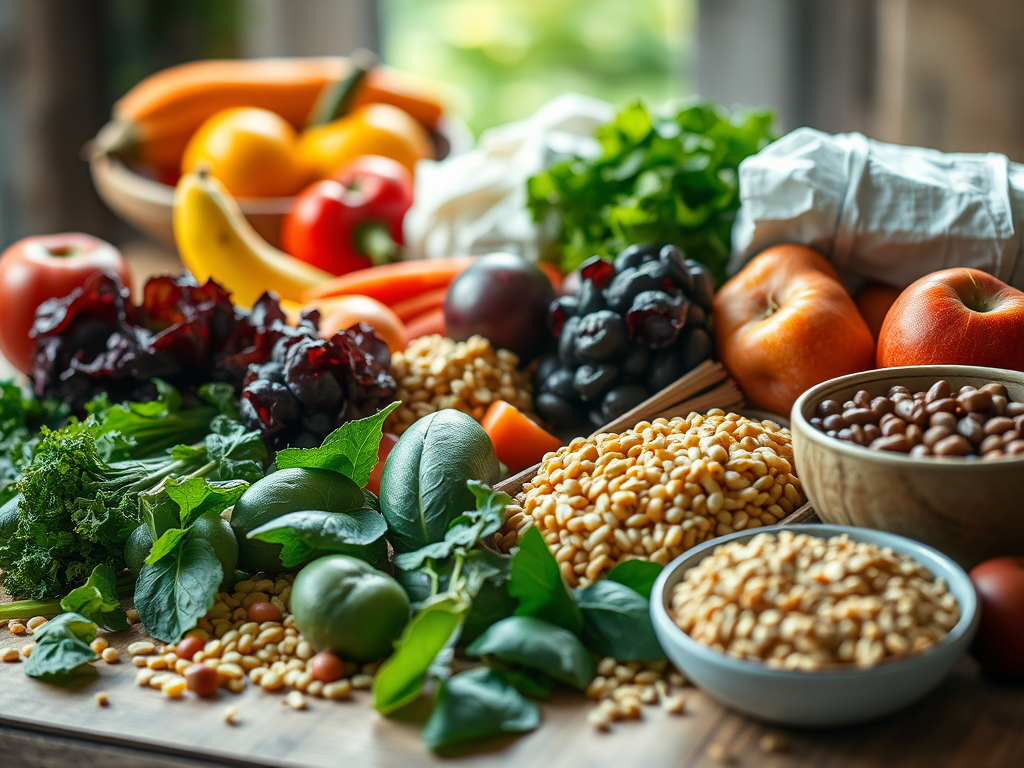
A study published in the Journal of General Internal Medicine revealed that individuals who follow a vegan diet for around 18 weeks tend to lose about four pounds more than those on animal-based diets. One of the appealing aspects of the vegan diet is that it doesn’t rely on gimmicks, extreme caloric restrictions, or leave you feeling drained. In fact, it even allows you to enjoy unrefined carbohydrates! Here are six practical tips for healthy weight loss on a vegan diet while also contributing to animal welfare and environmental sustainability.
What is a Vegan Diet?
Historically, a vegan diet was associated with a focus on whole, plant-based foods. Today, veganism is defined more by what it excludes—no animal products of any kind. This includes not only meat but also dairy, eggs, fish, honey, gelatin, and other animal-derived ingredients.
Despite these exclusions, the variety of plant-based products has grown rapidly in the past decade, offering alternatives for nearly every animal-based food. However, many of these products are highly processed and contain additives like methylcellulose and gums, which are far from whole foods. Ultimately, a vegan diet can range from wholesome foods like fruits, vegetables, legumes, and whole grains to highly processed alternatives. The one constant is that it’s entirely free of animal products.
Defining a Healthy Weight
There’s no single definition of a healthy weight—it varies by individual. According to Whitney Stuart, MCN, RDN, CDE, and Whole30 coach, a healthy weight isn’t determined solely by the number on the scale. Factors like hydration, muscle mass, and even the menstrual cycle can affect weight. A better measure is body composition—how much of your weight is made up of muscle, bone, and fat. Tools like a DEXA scan or Bioelectrical Impedance Analysis (BIA) can help analyze this and provide insights into whether you need to gain muscle, lose fat, or improve bone density.
Equally important is how you feel. A healthy weight should allow you to engage in activities you enjoy. If your weight—whether too low or too high—prevents you from living fully, it might be time to reassess your diet and lifestyle.
Risks of Rapid Weight Loss
When following a plant-based diet, weight loss should be gradual. Generally, losing one to two pounds per week is considered safe. A calorie deficit of around 500 calories per day, which results in losing a pound a week, is a healthy target.
Losing more than this could lead to rapid weight loss, which comes with its own set of risks, such as fatigue, headaches, dizziness, and malnutrition. Rapid weight loss is also often unsustainable, leading to a pattern known as yo-yo dieting, where lost weight is regained quickly.
Six Tips for Healthy Weight Loss on a Vegan Diet
- Prioritize Nutrient Density Over Calories
Choose foods that are low in calories but rich in nutrients. Focus on vegetables, fruits, whole grains, and legumes to fill up without counting calories. Nutrient-dense foods will keep you energized and full throughout the day. - Embrace Fiber
High-fiber foods like leafy greens, legumes, and oats digest slowly, keeping you satisfied longer. Fiber is a key component to avoid constant hunger, a common reason why diets fail. - Limit Processed Foods
While vegan options abound, many are highly processed and can contribute to weight gain. Enjoy vegan treats occasionally, but focus your daily meals on whole plant foods. - Retrain Your Taste Buds
Over time, your body adapts to the foods you feed it. Gradually, you’ll start to crave healthier, whole foods. Trust the process, and use familiar flavors to help you adjust to new ingredients. - Stock Your Kitchen with Healthy Options
Keep your fridge and pantry filled with wholesome, easy-to-prepare foods like frozen veggies, beans, and quick-cooking grains. Having healthy ingredients on hand helps prevent the temptation to reach for convenience foods. - Clean Up Your Social Media
Social media can be both helpful and harmful on a weight-loss journey. Unfollow accounts that trigger cravings or undermine your self-esteem. Instead, follow those that promote healthy, balanced lifestyles and make you feel empowered.
 Doya Vibes
Leave a comment